
Minimally Invasive Anal Fissure Treatment in Kolkata
Dr Mainak Pal provides assessment and treatment for acute and chronic anal fissures. Care may include dietary changes, prescribed medicines, warm sitz baths, or lateral internal sphincterotomy when medical treatment does not heal the fissure.
Home / Treatments / Piles, Fissure & Fistula / Anal Fissure Treatment
Key Insights:
1 in 10 people experience an anal fissure at some point in their life.
Over 75% of patients in India suffer from short-term fissures.
If left untreated, 40% of short-term cases can turn chronic.
What Is an Anal Fissure?
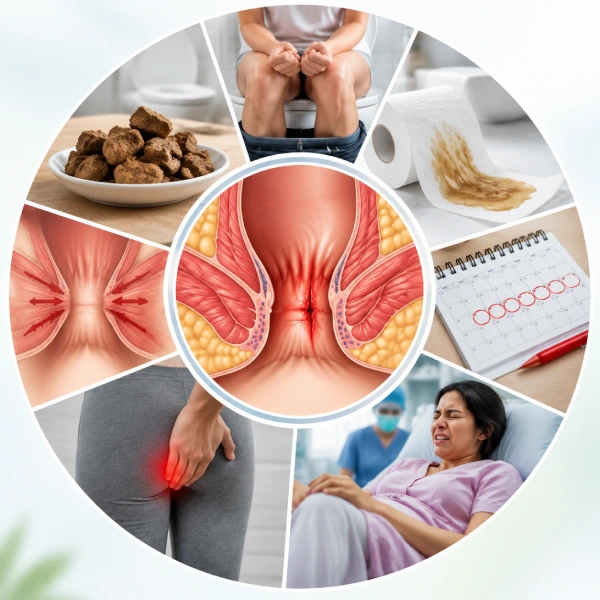
An anal fissure is a small tear in the skin lining the anal opening. It commonly causes sharp discomfort during or after bowel movements and may produce bright-red bleeding.
Fissure Treatment at a Glance
| Treatment Detail | What to Expect |
|---|---|
| Condition | Acute or chronic anal fissure |
| Main purpose | Support healing, reduce muscle spasm and ease bowel movements |
| Treatment options | Fibre support, sitz baths, prescribed ointments or surgery |
| Surgical procedure | Lateral internal sphincterotomy |
| Anaesthesia | Based on the selected treatment |
| Hospital stay | Outpatient care or short stay when surgery is required |
| Recovery | Based on fissure duration, treatment and individual progress |
| Suitability | Clinical examination and assessment of possible causes |
| Treated by | Dr Mainak Pal |
What Are the Types of Anal Fissure?
- Acute fissure: A recent tear that may improve with early care
- Chronic fissure: A persistent or recurring tear that has not healed
- Typical fissure: Usually located along the front or back midline
- Atypical fissure: Located elsewhere or occurring in multiple areas, requiring further assessment
What Are the Common Symptoms?
- Sharp discomfort during bowel movements
- Burning or discomfort afterwards
- Bright-red blood on stool or toilet paper
- Itching around the anal opening
- A visible crack in the surrounding skin
- Avoidance of bowel movements due to discomfort
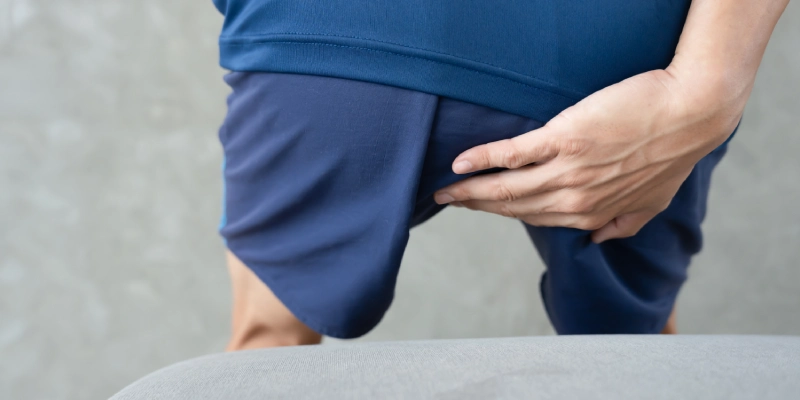
Note: Bleeding should not automatically be assumed to result from a fissure because other anorectal or bowel conditions can cause similar symptoms.
What Causes Anal Fissures?
- Hard stool and constipation
- Repeated straining
- Frequent diarrhoea
- Irregular bowel habits
- Straining during childbirth
- Local injury
- Excessive tightness or spasm of the anal sphincter
Note: Fissures in an unusual position may require assessment for inflammatory bowel disease, infections or other underlying conditions.
How Is an Anal Fissure Diagnosed?
Diagnosis begins with a review of symptoms, bowel habits, diet, medicines and medical history. A careful examination helps identify the fissure, its location and signs of chronicity.
Further evaluation may be advised when symptoms are unusual, bleeding remains unexplained, or another condition needs to be excluded.
Which Fissure Treatments Are Available?
| Treatment | When It May Be Considered |
|---|---|
| Fibre and bulk-forming support | Constipation, hard stool or repeated straining |
| Warm sitz baths | Relief from anal muscle spasm and discomfort |
| Topical lidocaine | Short-term symptom relief when prescribed |
| Nitroglycerine ointment | Acute or chronic fissures requiring muscle relaxation |
| Diltiazem or nifedipine | Selected cases requiring prescribed medical treatment |
| Lateral internal sphincterotomy | Persistent fissures that do not heal with medical care |
What Benefits May Treatment Offer?
- Softer and easier bowel movements
- Reduced straining and muscle spasm
- Support for fissure healing
- Less recurring discomfort and bleeding
- Improved confidence during bowel movements
- Reduced disruption to daily activities
Why Choose Dr Mainak Pal for Fissure Treatment?
Dr Mainak Pal’s academic and professional background includes:
- MS in General Surgery
- Fellowship in Minimal Access Surgery—FMAS
- MIPH and laser proctology training at IMMAST, Mumbai
- Consultant experience at Peerless Hospital
- Teaching and research guidance for DNB trainees
Treatment Planning Based on Medical Condition
Treatment begins by confirming whether a fissure is causing the symptoms and assessing its location and duration. Findings guide medical care or lateral internal sphincterotomy, along with recovery and follow-up planning.
What Happens During Fissure Treatment?
Before Treatment
- Symptom and bowel-habit review
- Clinical examination
- Acute or chronic fissure assessment
- Review of medicines and medical conditions
- Evaluation of possible underlying causes
During Treatment
- Fibre and bulk-forming dietary support
- Prescribed topical medicines
- Warm sitz baths
- Lateral internal sphincterotomy when medical care fails
- Anaesthesia based on the planned procedure
After Treatment
- Prescribed medicines
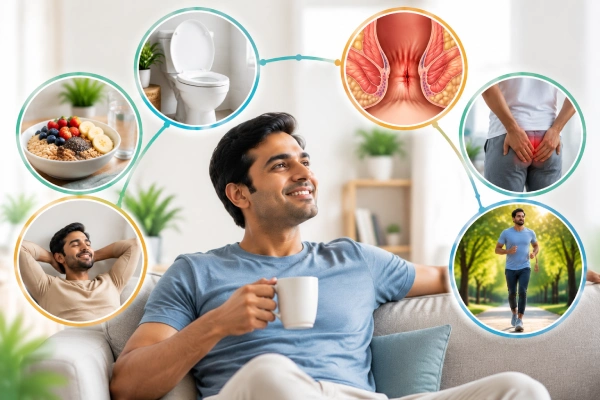
- Hydration and fibre guidance
- Stool-softening support
- Local hygiene advice
- Avoidance of straining
- Scheduled follow-up
What Is the Recovery Timeline?
| Stage | What You May Expect |
|---|---|
| Treatment begins | Dietary changes, sitz baths and prescribed medicines. |
| First few days | Softer bowel movements and gradual symptom improvement. |
| Following weeks | Continued healing and clinical review when advised. |
| Persistent symptoms | Reassessment and consideration of surgical treatment. |
| Long term | Healthy bowel habits and follow-up for recurrence. |
What Care Is Needed After Treatment?
- Fibre-rich meals
- Adequate hydration
- Prescribed stool-softening support
- Warm sitz baths when advised
- Limited toilet sitting
- Avoidance of straining
- Gentle local hygiene
- Follow-up as scheduled
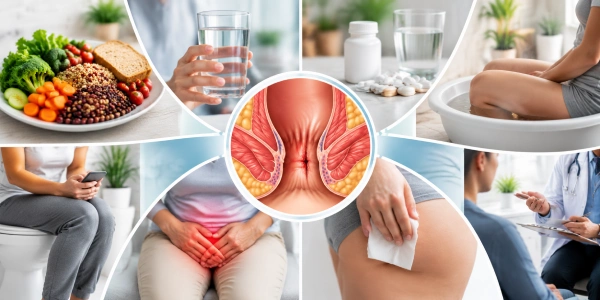
What Can Happen If a Fissure Is Left Untreated?
Some recent fissures may improve with suitable self-care. Persistent fissures may lead to:
- Recurring discomfort during or after bowel movements
- Repeated bright-red bleeding
- Persistent anal muscle spasm
- Progression to a chronic fissure
- Delayed bowel movements due to discomfort
- Worsening constipation and repeated reopening
- Greater disruption to daily activities
What Determines the Cost of Fissure Treatment?
- Acute or chronic condition
- Required examinations or tests
- Medical or surgical treatment
- Anaesthesia requirements
- Hospital or day-care charges
- Medicines and consumables
- Follow-up requirements
- Insurance coverage

What People Also Ask
Can an anal fissure heal without surgery?
Yes. Many recent fissures improve with fibre, hydration, sitz baths and prescribed medicines.
Are piles and anal fissures the same?
No. A fissure is a tear in the anal lining, while piles are enlarged or displaced haemorrhoidal tissues.
Does every chronic fissure require surgery?
No. Surgery is considered when symptoms persist or the fissure does not heal with suitable medical care.
Can an anal fissure return after treatment?
Yes. Recurrence may occur when constipation, hard stool or repeated straining continues.
When does a fissure require prompt assessment?
Seek medical care for persistent symptoms, heavy bleeding, fever, discharge or bleeding accompanied by abdominal concerns.
Plan Your Fissure Treatment Consultation in Kolkata
Consult Dr Mainak Pal for recurring discomfort during bowel movements, bright-red bleeding or symptoms that do not improve with initial care.
A Few Kind Words
Treatment Experiences
Here’s what the patients have to say after surgery.