
Gastric Bypass Surgery in Kolkata: RYGB and Mini/OAGB
Dr Mainak Pal offers advanced laparoscopic RYGB and Mini/OAGB when structured weight-loss efforts don’t work. For the best results, he recommends a treatment plan based on your specific BMI, metabolic health, reflux risk, and eating patterns.
Home / Treatments / Bariatric & Weight Loss / Gastric Bypass (RYGB & Mini/OAGB)
Key Facts:
254 million people in India live with obesity
39.5% of adults carry high-risk visceral belly fat
35.5% of those with obesity also have hypertension

What is Gastric Bypass Surgery?
Gastric bypass is a bariatric and metabolic procedure that creates a smaller stomach pouch and redirects part of the small intestine. This can help limit portions, promote earlier fullness and influence metabolic processes involved in weight and blood-sugar regulation.
It is not a cosmetic procedure or a quick solution. Surgery forms part of a long-term programme involving dietary changes, physical activity, nutritional supplements, medical monitoring and regular follow-up.
Gastric Bypass Surgery at a Glance
| Treatment Detail | What to Expect |
|---|---|
| Procedure options | Roux-en-Y gastric bypass and Mini/OAGB |
| Surgical approach | Usually performed laparoscopically |
| Anaesthesia | General anaesthesia |
| Main change | Smaller stomach pouch with intestinal rerouting |
| Hospital stay | Based on the procedure and individual recovery |
| Diet progression | Liquids, followed by soft foods and regular textures |
| Follow-up | Long-term nutritional and medical monitoring |
| Suitability | Based on BMI, health conditions and previous treatment |
| Treated by | Dr Mainak Pal |
How Do RYGB and Mini/OAGB Differ?
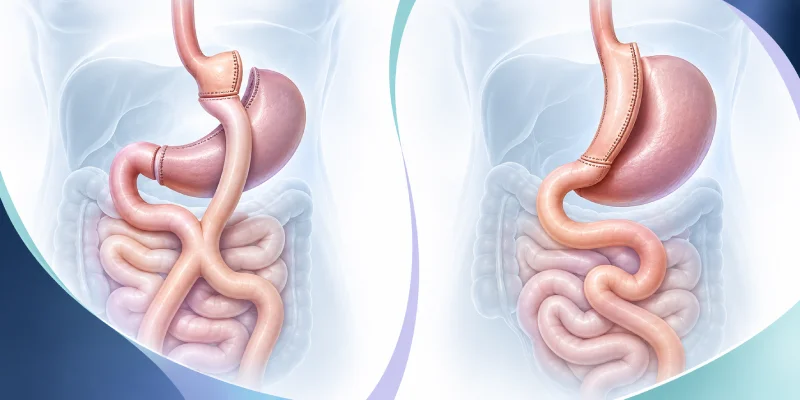
Roux-en-Y Gastric Bypass—RYGB
RYGB creates a small stomach pouch and connects it to the small intestine using a Y-shaped arrangement. It may be considered for selected patients with obesity, metabolic conditions or significant acid reflux.
Mini Gastric Bypass—OAGB
Mini/OAGB, also known as one-anastomosis gastric bypass, creates a longer stomach pouch with a single intestinal connection. The procedure requires careful assessment of nutritional health and the possibility of bile reflux.
RYGB Vs Mini/OAGB
| Feature | RYGB | Mini/OAGB |
|---|---|---|
| Intestinal connections | Two | One |
| Digestive arrangement | Y-shaped rerouting | Loop connection |
| Stomach pouch | Small pouch | Longer, narrow pouch |
| Reflux consideration | May be preferred in selected reflux cases | Bile reflux risk requires assessment |
| Nutritional care | Lifelong supplements and monitoring | Lifelong supplements and close monitoring |
| Selection | Based on individual clinical needs | Based on individual clinical needs |
Who May Consider Gastric Bypass Surgery?
Assessment may be appropriate for people with:
- Obesity alongside diabetes or poor blood-sugar control
- High blood pressure, sleep apnoea or fatty liver disease
- Joint concerns or reduced mobility linked to excess weight
- Repeated weight regain after supervised weight-loss attempts
- Significant reflux that may influence procedure selection
- Readiness to follow dietary, supplement and follow-up advice
What Benefits May Gastric Bypass Offer?
For appropriately selected patients, treatment may help:
- Support significant and sustained weight management
- Improve blood-sugar and metabolic control
- Reduce the impact of obesity-related health conditions
- Promote fullness with smaller portions
- Improve mobility and everyday activity
- Support better energy, sleep and quality of life
- Improve reflux symptoms after RYGB in selected patients
Why Consult Dr Mainak Pal for Gastric Bypass Surgery?
Dr Mainak Pal’s approach combines laparoscopic surgical experience with procedure selection based on individual health needs.
- Advanced bariatric surgery training at AIIMS New Delhi and IRCAD France
- Fellowship in Minimal Access Surgery
- Over a decade of experience in complex laparoscopic procedures
- Detailed assessment before recommending a bariatric procedure
- Individualised planning for RYGB and Mini/OAGB
- Emphasis on preparation, recovery and continued monitoring
Discuss the Right Procedure for You
A detailed consultation can help determine whether gastric bypass is appropriate and which procedure may suit your condition.
What Happens During Gastric Bypass Treatment?
Before Surgery
- BMI and medical-history assessment
- Blood tests and nutritional evaluation
- Review of diabetes, blood pressure and other conditions
- Assessment of reflux or digestive symptoms
- Review of medicines and previous abdominal procedures
- Dietary and anaesthesia consultations
During Surgery
- Performed under general anaesthesia
- Small abdominal incisions are used
- A stomach pouch is created to connect with the small intestine
- Intestinal arrangement depends on the treatment plan
After Surgery
- Monitoring hydration, comfort and early recovery
- Gentle walking usually begins early to support circulation
- The diet starts with liquids
- It gradually progresses under medical and nutritional guidance
What Is the Recovery Timeline?
| Recovery Stage | General Guidance |
|---|---|
| Hospital phase | Monitoring, hydration and gentle movement |
| Early recovery | Liquid or puréed diet and light activity |
| Following weeks | Gradual food progression and return to routine |
| Long term | Portion control, supplements, tests and follow-up |
What Lifestyle Changes Are Required Post-Treatment?
- Eat smaller meals slowly
- Prioritise protein and nutritious foods
- Follow the recommended diet progression
- Take prescribed vitamins and minerals
- Maintain adequate hydration
- Avoid tobacco and foods that trigger digestive symptoms
- Build physical activity gradually
- Attend scheduled reviews and blood tests

What Can Happen If Obesity is Left Untreated?
- Development or worsening of type 2 diabetes
- High blood pressure and cardiovascular conditions
- Obstructive sleep apnoea and disturbed sleep
- Fatty liver disease
- Joint strain and reduced mobility
- Acid reflux and digestive concerns
- Fertility and hormonal concerns
- Reduced energy and difficulty with daily activities
- Greater risk during anaesthesia or future medical procedures
- Reduced overall quality of life
What Determines the Cost of Gastric Bypass Surgery in Kolkata?
- Selection of RYGB or Mini/OAGB
- Hospital and room category
- Surgical complexity
- Anaesthesia and operating-room charges
- Tests, medicines and surgical consumables
- Length of hospital stay
- Nutritional support and follow-up requirements
- Insurance coverage or policy terms

What People Also Ask
How is gastric bypass different from sleeve gastrectomy?
Sleeve gastrectomy reduces the stomach’s size without rerouting the intestine. Gastric bypass creates a smaller pouch and redirects part of the digestive pathway.
Is RYGB better than Mini/OAGB?
No single procedure is better for everyone. Reflux, metabolic conditions, nutritional health, previous surgery and long-term follow-up needs guide the decision.
Will vitamins be required after gastric bypass?
Yes. Lifelong vitamin and mineral supplementation is generally required because gastric bypass can affect nutrient intake and absorption. Regular blood tests help identify deficiencies.
Can gastric bypass be reversed?
RYGB and Mini/OAGB may sometimes be revised or reversed, but this requires another major procedure. Gastric bypass should therefore be considered a long-term treatment.
Can weight return after surgery?
Some weight regain can occur because obesity is a relapsing condition. Early assessment can identify nutritional, behavioural, medical or anatomical factors and guide further care.
Plan Your Gastric Bypass Consultation in Kolkata
Discuss your weight history, metabolic health and available treatment options with Dr Mainak Pal. A detailed assessment can help determine whether RYGB, Mini/OAGB or another approach may be appropriate.
A Few Kind Words
Treatment Experiences
Here’s what the patients have to say after surgery.